ISRHML
The International Society for Research in Human Milk and Lactation
ISRHML
The International Society for Research in Human Milk and Lactation

TIG GOVERNING COMMITTEE

The Trainee Interest Group (TIG) Governing Committee (GC) is responsible for governing the affairs of ISRHML’s Trainee Interest Group. The TIG GC aims to connect trainees with each other, offer professional development opportunities, and build a sense of community among trainees. The TIG GC  consists of the TIG President, TIG President-Elect, TIG Secretary, Professional Development Coordinator, Newsletter and Blog Editor, Social Media and Communications Chair, Membership Chair, Global Representation Chair, and TIG Advisors. Learn more about this committee by viewing our standard operating procedures.

The ISRHML TIG GC organizes and develops activities aimed at supporting the academic and career development of our trainees. TIGers enjoy access to professional development webinars and a Slack working group, quarterly newsletters, networking and leadership opportunities, and more! ISRHML, in collaboration with the Family Larsson Rosenquist Foundation, also offers funding opportunities for TIGers to support travel, learning, and exchange at host institutions abroad.

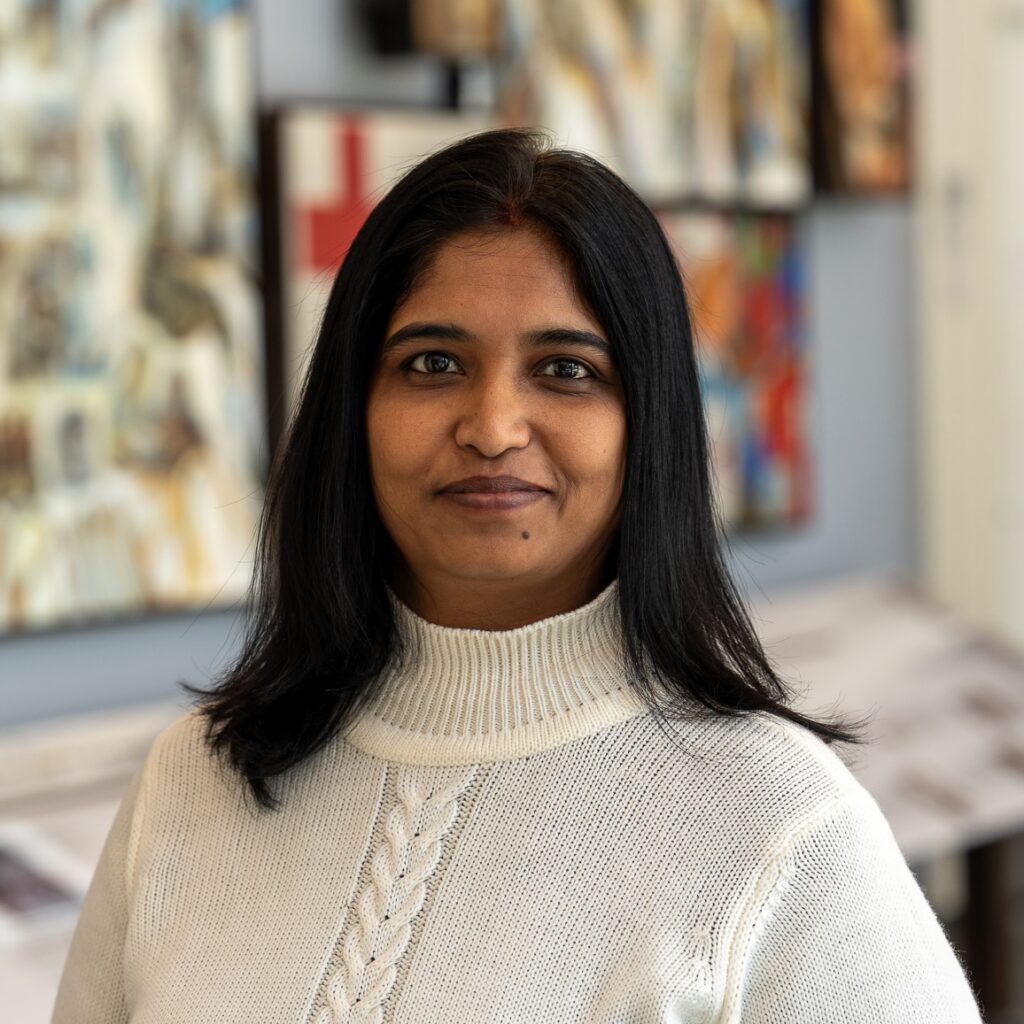
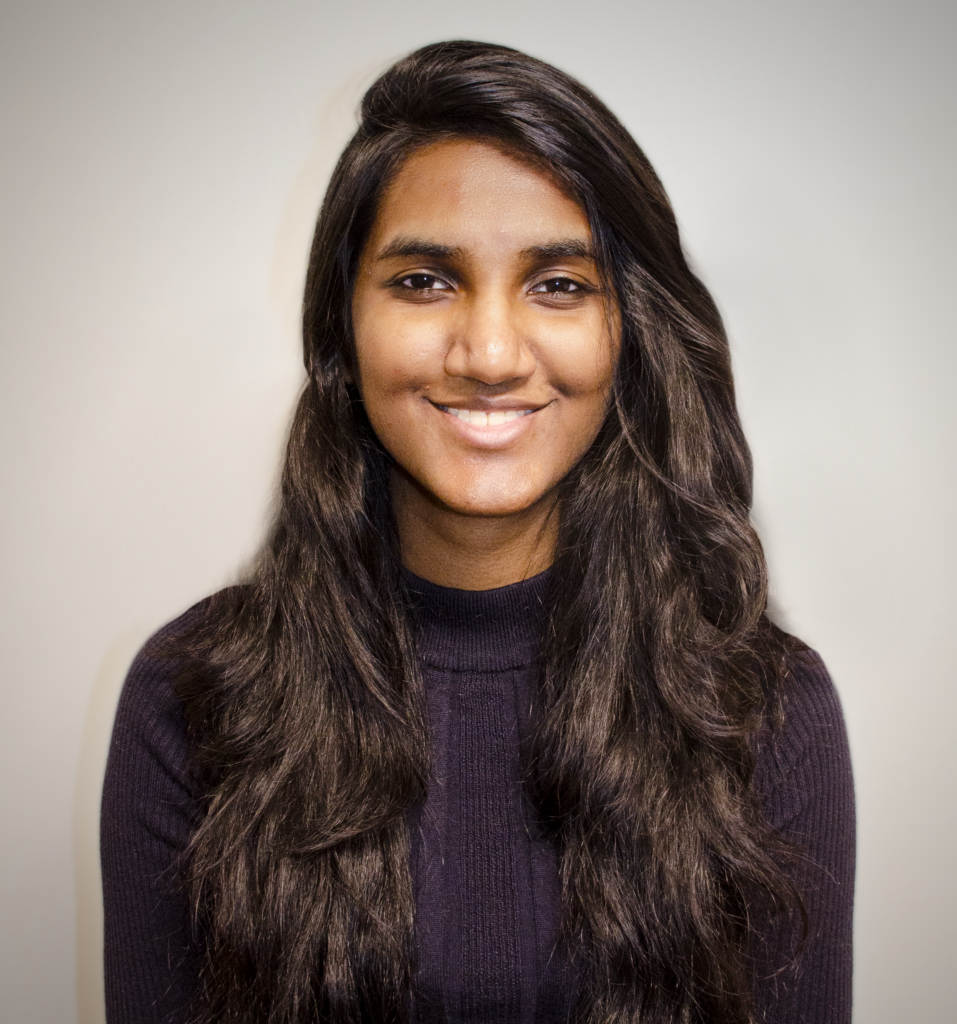
President, 2025-2027: Laasya Devi Annepureddy

Laasya Devi Annepureddy is a Ph.D. candidate in Biological and Cellular Engineering at Dartmouth College and currently serve as President of the Trainee Interest Group (TIG) at the International Society for Research in Human Milk and Lactation (ISRHML). My research focuses on maternal–infant health, human milk, and lactation biology. Specifically, I study mammary epithelial cells and human milk composition, leveraging bioinformatics and multi-omics approaches to uncover novel gene regulatory pathways and characterize lactational stages. As a Dartmouth PhD Innovation Fellow, I am interested in translational science that harnesses the potential of human milk, a highly underleveraged biological specimen, to generate insights that advance maternal and infant health, improve breastfeeding outcomes, and inform clinical care and public health interventions.

Through my leadership in the Trainee Interest Group at ISRHML, I aim to advance research that deepens our understanding of human lactation while building a strong trainee community. My goal is to create opportunities for trainees to develop peer networks, foster research collaborations, connect with established investigators, and gain the skills necessary to become impactful scientists. I am also committed to increasing the visibility and reach of ISRHML and supporting the next generation of researchers working to improve maternal and infant health.

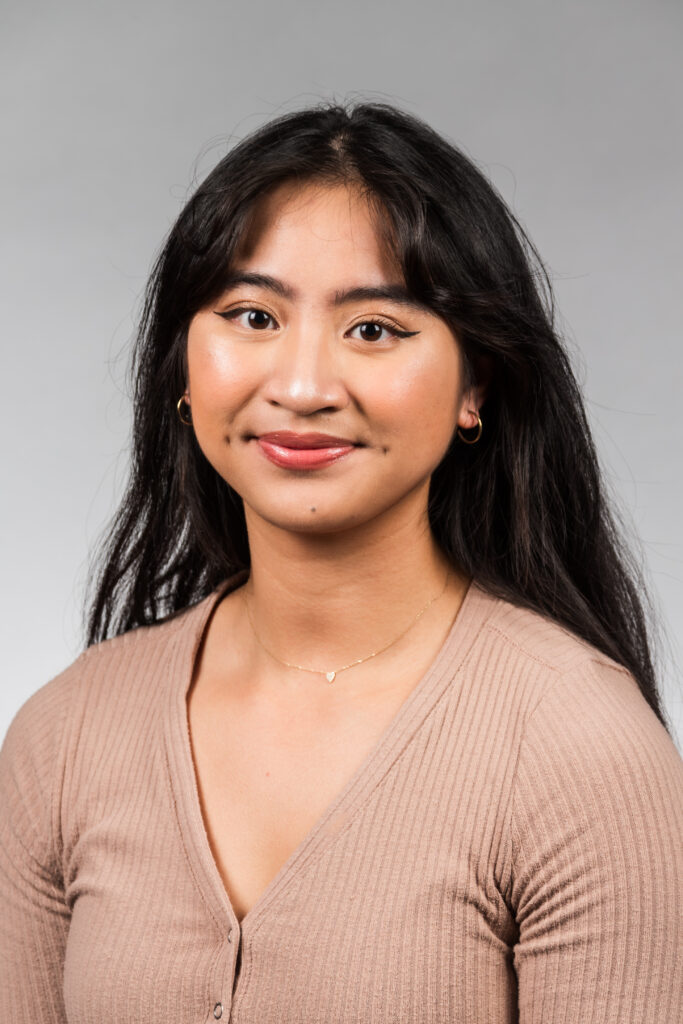
President-Elect, 2025-2026: Leigh Martin

Leigh Martin – More to come later

Secretary, 2026-2028: Kaylyn Dinh

Kaylyn Dinh – More to come later

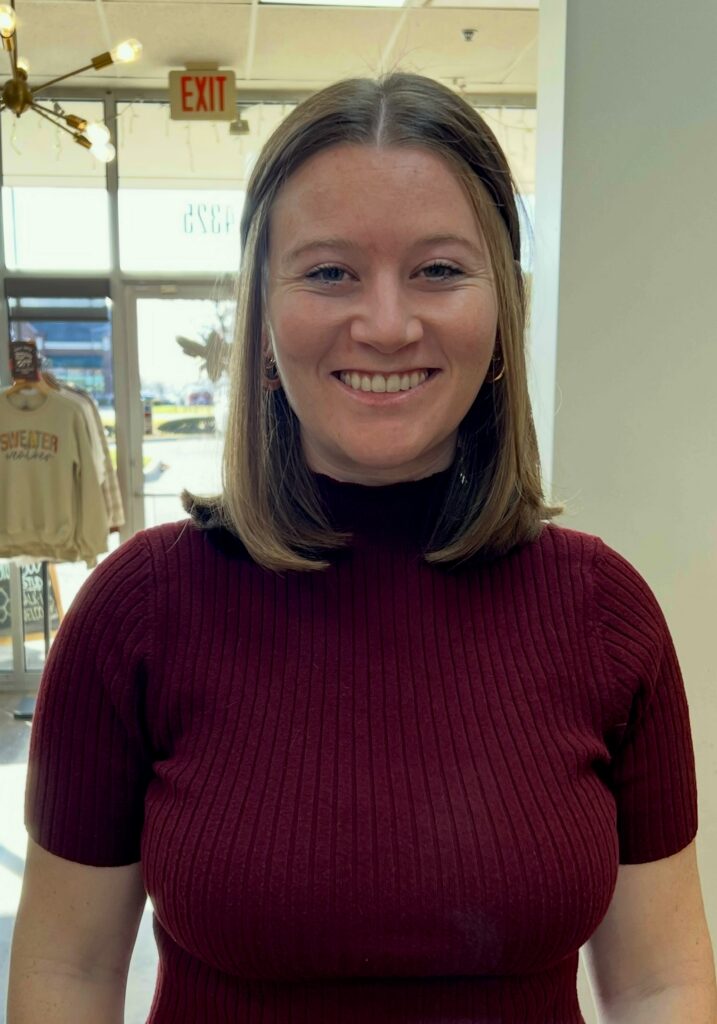
Professional Development Coordinator, 2026-2028: Margaret Rabotnick

Magaret Rabotnick, PhD, MPH is an in vitro developmental toxicologist and current postdoctoral scholar in the Department of Pediatrics at UC San Diego, where she works with the Human Milk Institute. Margaret currently serves as the Professional Development Chair. She earned her PhD in Toxicology and MPH in Environmental Health Sciences from the University of Michigan and her BS in Environmental Science from UCLA. Her interdisciplinary training spans mechanistic toxicology, exposure science, maternal-child health, reproductive biology, and human lactation.

Dr. Rabotnick’s research examines how environmental, nutritional, and pharmacologic exposures during lactation influence mammary gland function, human milk composition, and infant health. Her doctoral research investigated how endocrine-disrupting chemicals, particularly per- and polyfluoroalkyl substances, alter placental signaling and maternal lipid metabolism during pregnancy. Her postdoctoral work expanded this focus to the lactation period, integrating human milk biospecimens with mechanistic mammary epithelial and infant adipocyte models to study milk composition and early-life metabolic programming.

Her current research focuses on developing a functional human mammary organoid platform that recapitulates key features of lactation biology. This model is being designed to investigate mechanisms regulating milk synthesis and secretion and to screen environmental chemicals, pharmaceuticals, dietary compounds, and other factors that may influence mammary function and milk composition. Her long-term goal is to develop human-relevant experimental tools that advance medication safety, exposure guidance, lactation science, and future innovation in human milk production and research.

Newsletter & Blog Editor, 2026-2028: Lakshmi Markonda

Lakshmi Markonda, MSN, RN, is a PhD Candidate in Nursing Science at the University of Pennsylvania School of Nursing. She currently serves as the ISRHML Milk Minutes Newsletter co-editor. She brings more than 13 years of expertise as a neonatal and pediatric nursing educator and clinician, with specialized clinical experience in neonatal intensive care, well-baby and high-risk follow-up clinics, donor human milk banking, and postnatal lactation counseling. Her program of research examines the sociocultural and structural determinants of breastfeeding effectiveness, with a particular focus on lactation science and human milk biology, including milk composition, biomarkers, and epigenetic mechanisms, and their implications for maternal and infant health outcomes. Her scholarship is grounded in a commitment to advancing equitable, evidence-based approaches to supporting mothers and infants across diverse cultural and social contexts. Her research portfolio encompasses translational and clinical investigations involving human milk microsampling, epigenetic research, evidence synthesis, and editorial development. She has served as an Editorial Fellow for The American Journal of Maternal/Child Nursing (MCN) and currently serves as Editorial Elect for the JNDSS at the University of Pennsylvania School of Nursing and Newsletter Editor for the Trainee Interest Group of the International Society for Research on Human Milk and Lactation (ISRHML).  Through her integrated contributions to research, teaching, and professional service, she aims to advance precision lactation science, maternal-child health, and evidence-based nursing practice.

Social Media Chair, 2026-2028: Misba Majood

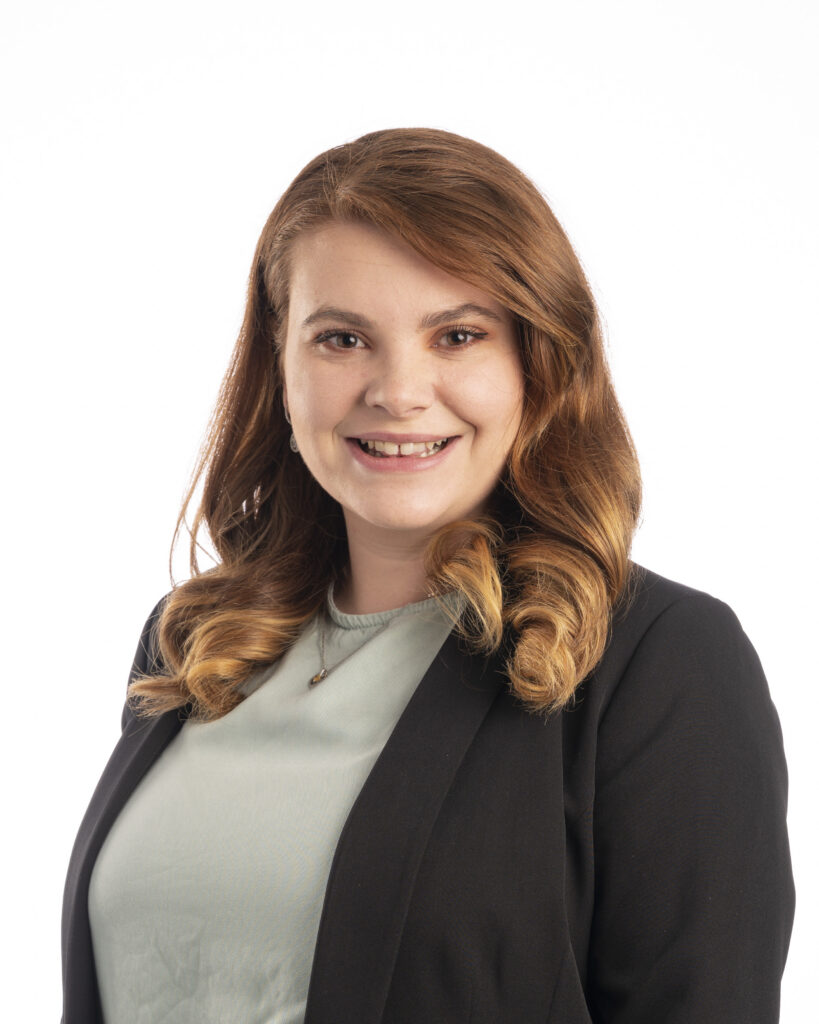
Misba Majood is a Postdoctoral Fellow in the Department of Physiology, Johns Hopkins School of Medicine, where she is developing innovative organoid models of the human lactating mammary gland. She currently serves as the Social Media and Communications Chair. Her research focuses on generation of mammary organoids to study transporter biology, milk composition, and lactation-associated disorders. Her current projects aim to compare the milk proteome at different lactation stages and to evaluate the relevance of iPSC-derived mammary organoids for transporter profiling. She earned her PhD in Biotechnology from Amity University, India, where her dissertation explored biomimetic hydrogel nanocomposites and carbon quantum dots in stem cell differentiation.

Beyond her research, she actively contributes to the Johns Hopkins Postdoctoral Association (JHPDA), serving as Secretary and as Socials Co-Chair, where she has led community-building and professional development initiatives. Her broader scientific interests include organoid biology, solute carriers, ABC transporters, wound-healing biomaterials, and the interface between nutrition and regenerative medicine. She is also engaged in science communication and professional service, currently serving as the Social Communication Chair for the International Society for Research in Human Milk and Lactation (ISRHML).

Membership Chair, 2026-2028: Meghan Crimmins

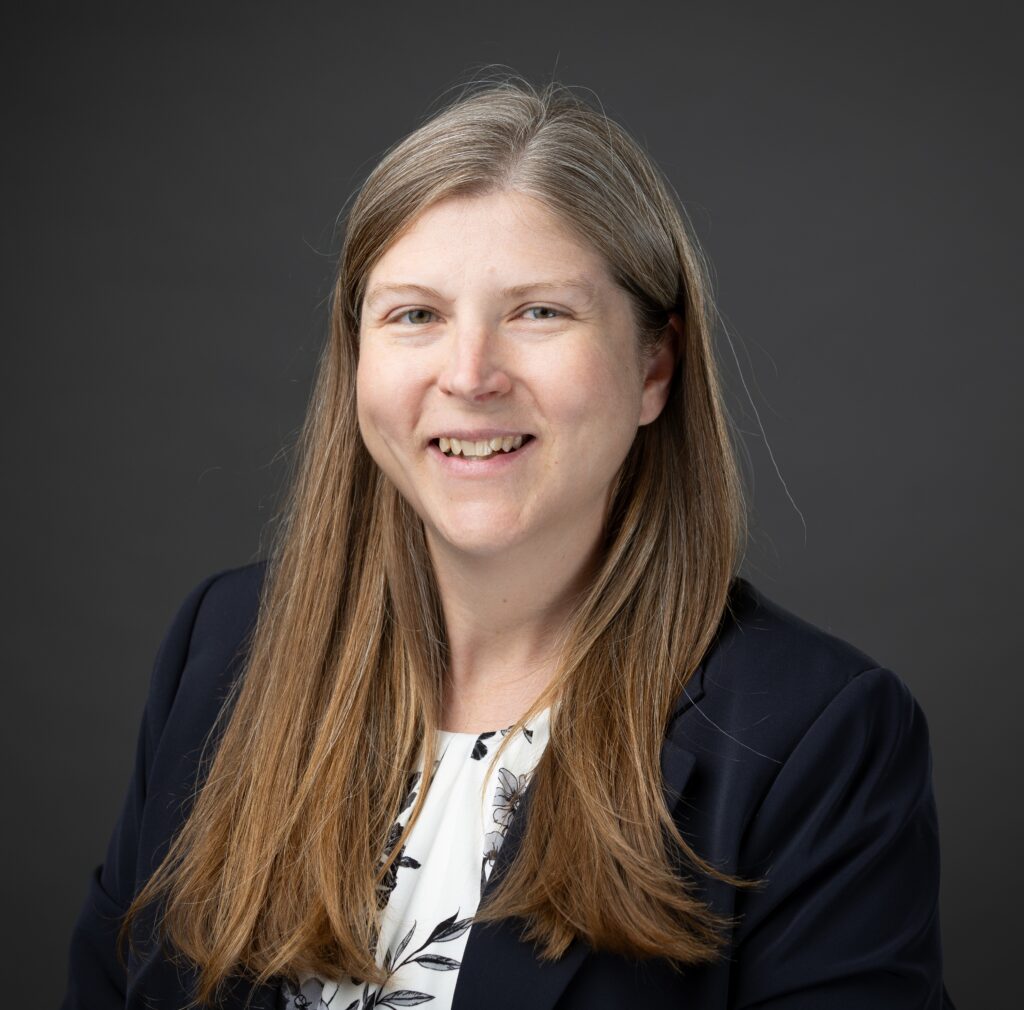
Meghan Crimmins, Ph.D., CLC, is a postdoctoral fellow at the University of Minnesota in the Cardiovascular Disease Epidemiology and Prevention T32 Training Program. Meghan serves as the Membership Chair. Her research focuses on the relationship between breastfeeding and cardiovascular health outcomes and risk factors in both mothers and infants, with particular attention to maternal lifestyle factors. She is especially interested in how breastfeeding and human milk consumption affect infants with congenital heart disease. In addition, Dr. Crimmins’ future research goals include investigating reproductive and lactation outcomes in women with adult congenital heart defects (ACHD).

Dr. Crimmins holds a B.S. in Molecular Cell Biology from the University of Hawaii at Manoa and earned her Ph.D. in Interdisciplinary Biomedical Sciences, specializing in Cell Biology and Physiology, from the University of Arkansas for Medical Sciences. Her doctoral research examined how maternal lifestyle factors affect breastfeeding outcomes and human milk composition.

Global Representation Chair, 2026-2028: Bryan Presno

Bryan Presno, is a pediatrician from the Philippines currently serving as the TIG Global Representation Chair. His journey in medicine began with the University of the Philippines’ prestigious Intarmed Program. He trained at the Philippine General Hospital and later served as Chief Resident during his Pediatric residency training at the Chinese General Hospital and Medical Center. Now a fellow in the pioneering Lactation Medicine program at The Medical City, the first of its kind in Asia, he is deeply committed to helping families thrive through breastfeeding. Dr. Presno is especially passionate about bridging global research with local realities, and about honoring indigenous wisdom alongside modern science to create more inclusive and empowering breastfeeding support worldwide.

Advisor, 2025-2027: Dr. Sarah Comstock

Sarah S. Comstock, PhD is an associate professor in the Department of Food Science and Human Nutrition at Michigan State University. She earned a BS in Biochemistry from the University of Chicago and a PhD in Nutritional Biology from the University of California, Davis. Her research focuses on exposures that build host-associated microbiomes which ensure appropriate child development. Exposures include diet, environmental chemicals, medications, infections, and soil. Human milk is a primary dietary exposure under investigation by her research group. Outcomes of interest include growth, neurodevelopment, and atopic disease. Her research employs a longitudinal pregnancy, birth, and pediatric cohort study design. She is a co-investigator at an NIH Environmental Child Health Outcomes study site. Current funding sources include the NIAID, NIDDK, and the NIH office of the director. Dr. Comstock has been a member of ISRHML since 2012 and was the inaugural recipient of the The Peter Hartmann Mid-Career Award for Impact on Research and Mentorship.

Advisor, 2026-2028: Dr. Alecia-Jane Twigger

Alecia-Jane Twigger, PhD began her research career with a PhD in the Human Lactation Research Group at the University of Western Australia. Securing two prestigious postdoctoral fellowships, she moved to the Scheel laboratory in Germany to develop a milk cell derived mammary organoid model. In 2019, she was invited to join Walid Khaled’s laboratory at the University of Cambridge (UoC) to focus on understanding differences in cell states of the mammary gland in normal (lactation) or abnormal (cancer) development. In 2024 she secured the esteemed UKRI Future Leaders Fellowship to start her own research group, the Cambridge Lactation Lab. The lab sits between the Department of Biochemistry and the Department of Pharmacology at the UoC  focusing on developing models of human lactation to untangle the biosynthesis of milk to support breastfeeding and long-term health of mothers and infants.